
-
About Us
Why Choose Us?Haining Huayu Textile Co., Ltd., founded in 2020 in Haining, Zhejiang, is a professional sofa fabric manufacturer with a registered capital of RMB 5 million. Backed by strong production capabilities and a customer-first, credit-based philosophy, we offer a wide range of reliable products. We sincerely welcome global partners for win-win cooperation.
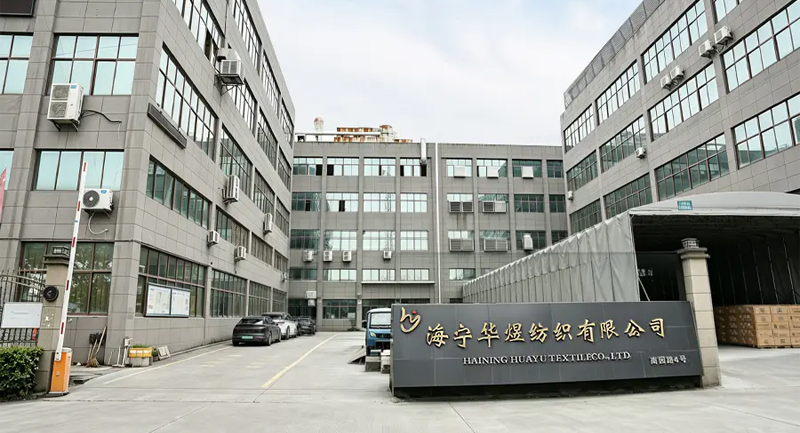 Coming From China, Marketing To The World.
 -
Products
- > Sofa Fabrics
- > Dutch Velvet Sofa Fabric
- > Lambswool Sofa Fabric
- > Frosted Fleece Sofa Fabric
- > Technical Sofa Fabric
- > Woven Sofa Fabric
- > Printed Sofa Fabric
- > Chenille Sofa Fabric
- > Finished Curtain
- > Double-layered Openwork Star Curtain
- > High-precision Solid Color Curtain
- > Double-layer High-precision Curtain
- > Hot-Stamped Printed Curtain
- > Sofa Cover
- > Milk Silk Sofa Cover
- > Cationic Sofa Cover
- > Circular Knit Jacquard Sofa Cover
- > Seersucker Sofa Cover
- > Sofa Throws
-
News
 English
Sustainable Development and Technological Evolution Trends of Sofa Fabrics
1. Industrial Application of Eco-friendly Recycled Materials
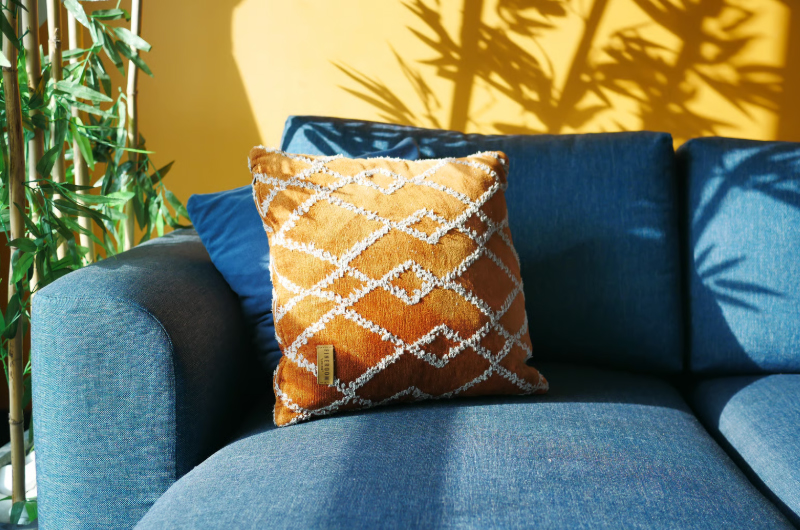
The sustainable development of the sofa fabric industry is moving from concept to large-scale implementation. Recycled polyester (rPET) has become the most industrially viable eco-friendly material. Some product lines have achieved 100% recycled polyester application, with an appearance and hand feel close to wool fabrics, but with a significantly reduced carbon footprint. In the high-end market, innovative materials such as castor bean-derived fibers and eco-friendly viscose are being explored to replace traditional petroleum-based fibers.
The performance of eco-friendly recycled fabrics is no longer inferior to virgin materials. For example, chenille fabrics made primarily from recycled polyester, through yarn dyeing and functional finishing, can achieve a ratio of 85% recycled polyester and 15% virgin polyester while maintaining antibacterial and stain-resistant functions. In terms of abrasion resistance, recycled polyester fabrics can also achieve Martindale abrasion grades of over 45,000 cycles.
2. Multi-function Integration and "Human-Pet Co-existence" Scenario-driven
Fabric technology is evolving from single function to multi-function integration, from basic durability to composite functions such as "antibacterial, anti-mite, waterproof, stain-resistant, and scratch-resistant." The underlying driving force of this trend comes from the segmentation of consumption scenarios: in 2025, online sales of pet-friendly fabric sofas increased by more than 80% year-on-year, directly creating market demand for technological innovation in composite functions such as scratch resistance, waterproofing, and antibacterial properties.
At the technical implementation level, the core challenge of multi-function integration is the compatibility of auxiliaries and the impact of process stacking on hand feel. The route of using inherently flame-retardant fibers combined with three-proof padding finishing has been proven to achieve dual functions of flame retardancy and three-proof without sacrificing hand feel. For scratch resistance, high-density woven structures and TPP nano-technology treatment can significantly improve the snag resistance and abrasion resistance of fabrics.
3. Textile Circular Economy and Recyclable Design
The circular economy practice of sofa fabrics is shifting from "end-of-pipe recycling" to "design-for-recyclability." Single-component fabric design—where the entire fabric is composed of the same polymer—has become a key technical strategy for improving recyclability. Although multi-component blends can optimize performance, the separation and recycling of blended fibers face significant technical and economic difficulties.
In packaging and accessories, reducing the use of PVC and mixed materials and switching to single-material solutions is also an important part of recyclable design. From a life cycle assessment perspective, the carbon footprint of the fabric production stage accounts for approximately 30%–50% of the overall carbon footprint of a sofa, so the environmental benefits of fiber selection and weaving process optimization are far greater than end-of-pipe recycling.
-
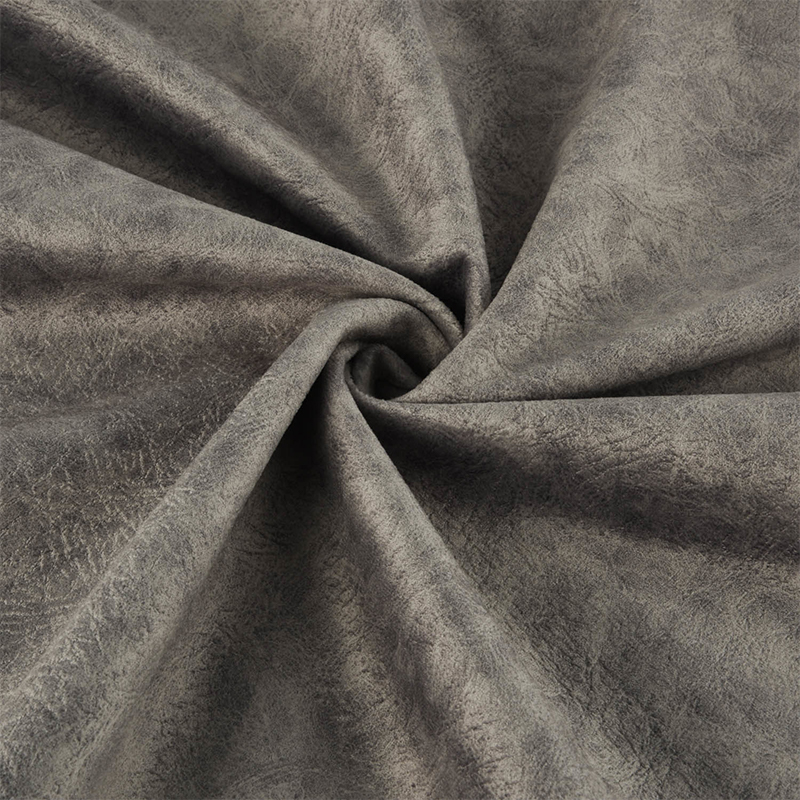
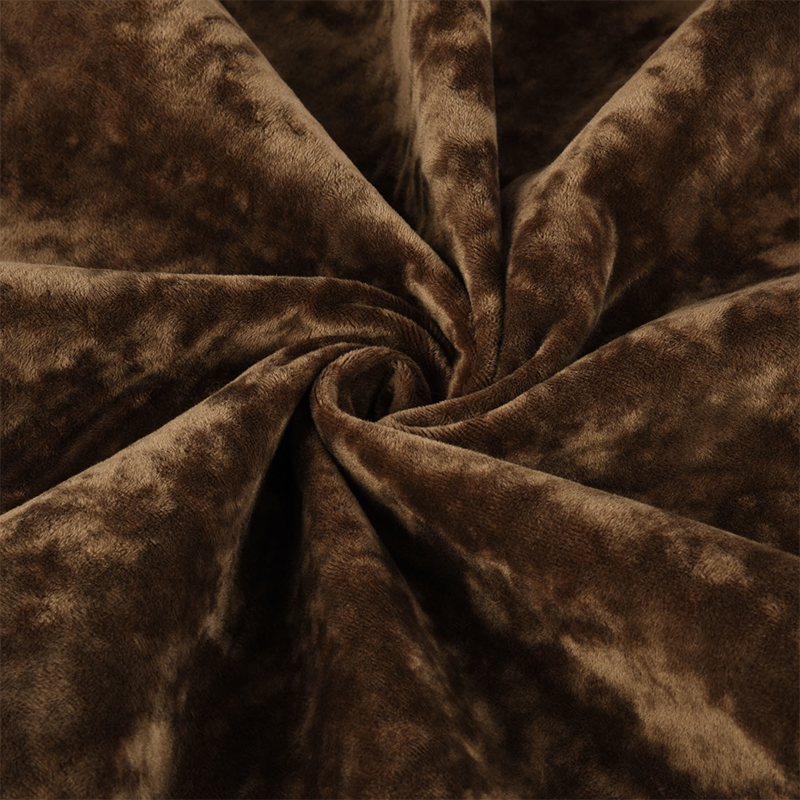
Soft Textured Dutch Velvet Sofa Fabric
This Dutch Velvet Sofa Fabric features a refined velvet surface with a soft, dense hand feel and a s...
-
Ribbed Plush Chenille Sofa Fabric
Ribbed plush texture brings this Chenille Sofa Fabric a clear linear surface with soft raised yarns....
-
Basket Weave Woven Sofa Fabric
Basket weave construction gives this Woven Sofa Fabric a clear interlaced texture, with visible yarn...
-
Raised Grid Woven Sofa Fabric
Defined by a raised grid weave, this Woven Sofa Fabric has a clear block-like texture that gives uph...
Copyright © Haining Huayu Textile Co., Ltd. All Rights Reserved.
